Social model hospice homes can change end-of-life care

According to an article written by Dr. Karen Wyatt, a hospice and family physician, there are six reasons why the social model home hospice home is a much-needed solution for end-of-life care. Wyatt, an expert on the topic of end-of-life care, has written a book on the subject: “What Really Matters: 7 Lessons for Living from the Stories of the Dying.”

The following are reasons for the social model home are taken verbatim from a longer article from the Huffington Post.

1. Shortage of family caregivers.

According to a study reported by AARP Public Policy Institute, there will be a severe shortage of family caregivers as the Baby Boom generation ages and faces the end-of-life. While there are currently seven potential family caregivers for every patient, this ratio is expected to drop to 3:1 by 2050.

2. Shortage of paid caregivers.

In addition, a study published in the Health Affairs journal in June indicates that “at least 2.5 million more long-term care workers will be needed to look after older Americans by 2030.”

3. Need for family respite. 

The Institute of Medicine’s 2014 report Dying in America points to a current need for respite and support for family caregivers to help avoid burnout and resulting emergency hospitalizations. Social model hospice homes can provide respite care as well as terminal care, allowing for much-needed rest for exhausted caregivers.

4. Need for home renovation for safety and mobility.

The IOM report “Dying in America” also cites a “lack of publicly-funded programs for retrofitting homes for safety features and wheelchair accessibility. Social model hospice homes are already designed to meet safety and mobility standards and can eliminate the need for expensive renovations to family homes.”

5. Cultural barriers to hospice care.

Some of these barriers include a lack of cultural diversity in hospice staff, mistrust of the healthcare system, and worry about insurance coverage and cost of care. The community-based social model hospice home has the potential to overcome some of these barriers by utilizing volunteers and caregivers from the patient’s own cultural group and neighborhood, by functioning largely outside the health care system, and by eliminating financial concerns through unique funding streams.

6. Reduction in Medicare payments for hospice and home care.

Under the social model of care for the dying, there is no federal or state funding because these homes do not function as medical facilities. In many states, they are licensed under the Department of Social Services rather than the Department of Health. Social model hospice homes rely on foundations and grants, community fundraising, and contributions from individual donors for funding.

Oncologist, fiction-writer and friend

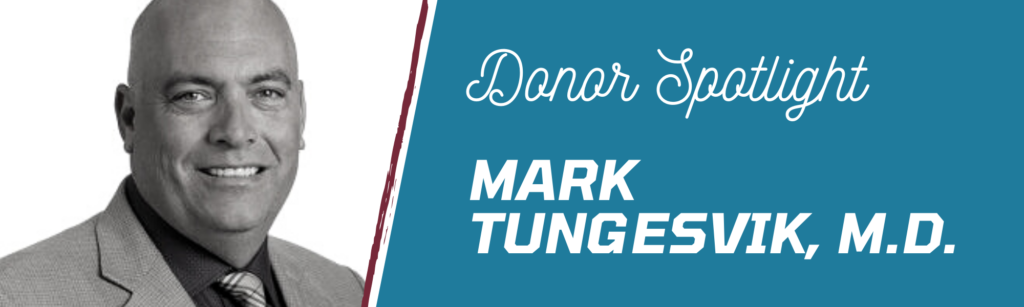
Donor Spotlight: Tungesvik

Dr. Mark Tungesvik, an oncologist with Missouri Cancer Associates, is no stranger to end-of-life care.

According to Tungesvik, oncology is one of the biggest referrers to palliative care where founders, Dorreen Rardin and Jackie Reed worked. He sees the need for Caring Hearts and Hands in our community.

“We will be treating people who are older and living alone. It’s not optimal, and as they get sicker, you’re in a pickle. For some, there’s not a lot of social support, and hospice can’t assist if the patient is alone. There are nursing homes, but that isn’t optimal. It could be a warm, loving place, but many patients don’t see it that way. I do think this is an unmet need.”

“There isn’t much small talk in the office,” Tungesvik says. “Once cancer patients have a diagnosis, their life changes. If it’s terminal, their perspective on life changes. And we form a real relationship. Working with the patients is the best part. That’s what I like, and that’s why I do it.”

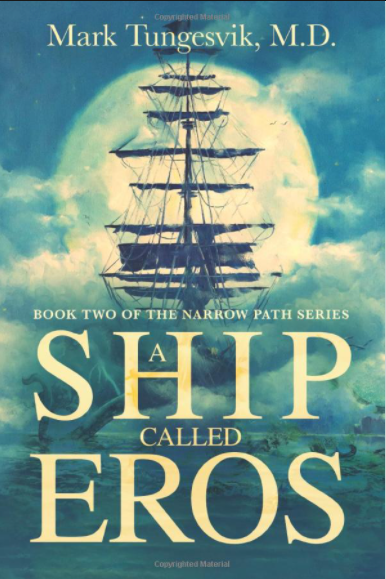
But Tungesvik doesn’t stop at medical cancer treatments. He’s also nearing the end of a seven-year project, writing a trilogy of therapeutic fiction. This three-book series is meant to help those struggling more than just physically.

“Some people will have developed a dark worldview, and it’s hard to work out of that. So, I put together this series. It’s not just about providing for a person’s physical needs. They have to turn the corner emotionally and intellectually so they can have some hope. These books are about doing that.”

“I’ve been writing the Song of the Bear trilogy for nearly seven years, but I’m coming to the end of it. I’m going over what may be the final draft. I’ll be sending to a self-publisher soon.”

Song of the Bear Book Cover
A Ship called Eros Book Cover

Lights for Love Recap

Inaugural event raises more than $8,000

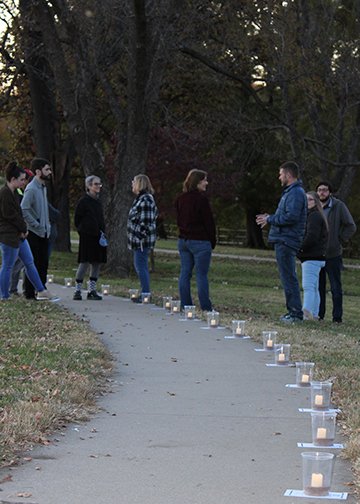
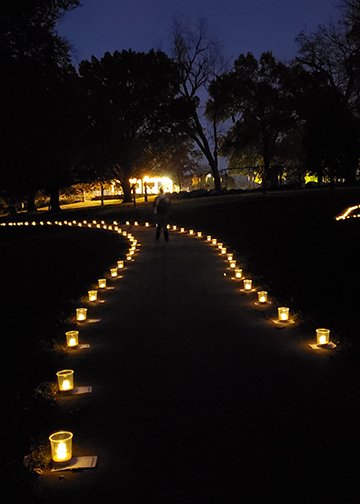
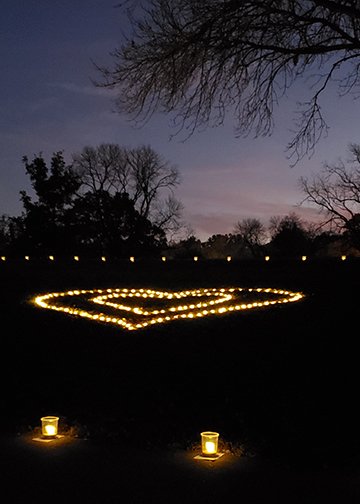
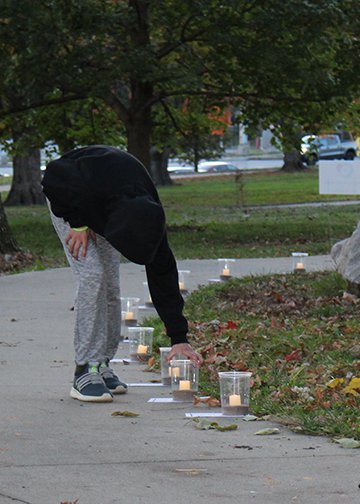
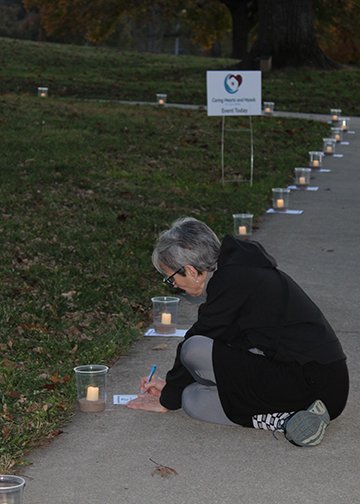
More than five hundred lights brightened the night on November 6. More than a hundred donors purchased luminaries to memorialize their loved ones.

Lighting the night with love

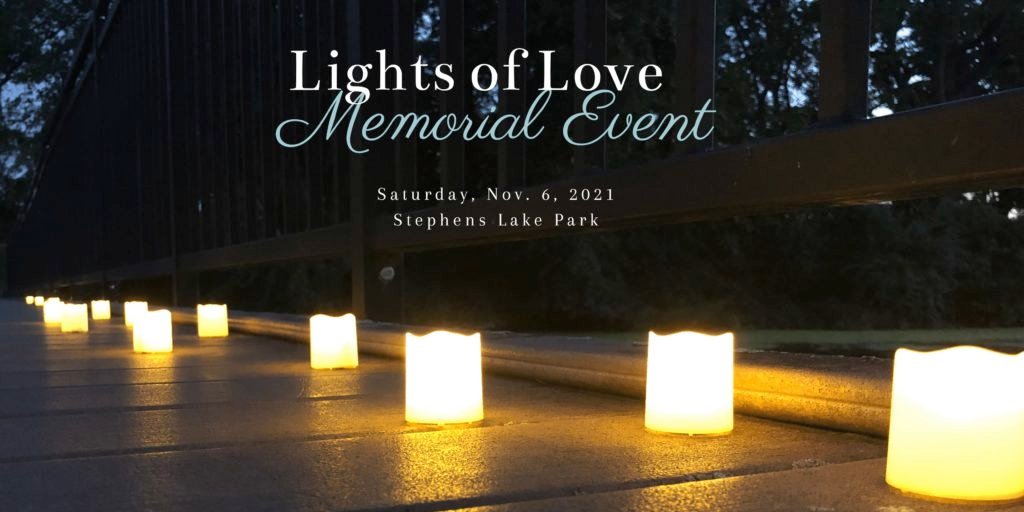
With donor support, we can light up the night at Stephens Lake Park on Nov. 6 as part of its inaugural fundraising event – Lights for Love: A Memorial Event.

This memorial event gives people an opportunity to purchase a luminary to honor their loved one and help raise funds to open a home in Columbia for those who are under hospice care, in the last month of life, and in need of caregiver support.

Lights for Love November 6

“We wanted to put together a fundraiser for the community that could be meaningful,” said Jackie Reed, treasurer, and co-founder for Caring Hearts and Hands of Columbia. “This is an opportunity to heal as a community after nearly two years of extremely difficult times for many of us.”

Community members can purchase a luminary to display at Stephens Lake Park on Nov. 6 at 5:30 p.m. Each luminary can be purchased for a minimum donation of $10.

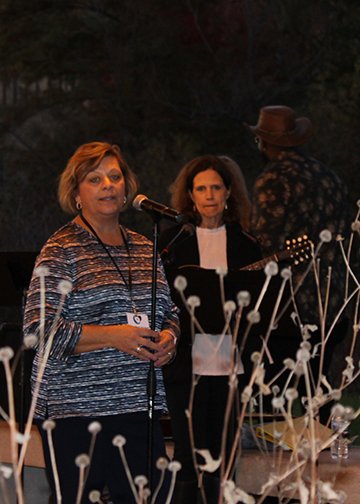
The event will include music and will allow loved ones to spend time with others who have lost loved ones and remember their influence in our lives.

Lights for Love Memorial Event
Saturday, Nov. 6, 2021
Gordon Shelter – Stephens Lake Park

Check-in: 5:30 p.m., Gordon Shelterhouse
Luminaries on Display: 5:45 – 6:45 p.m.
Program & Music: 6 p.m.

Understanding the Omega Home Network

Omega Home Network logo

There’s so much to know about the social model home. It’s an innovative way to provide care at the end of life, and right now there isn’t such an option in the mid-Missouri area. However, there are others in Missouri and across the country. For a complete list of Omega Home Network members, click here. 

Q: What is the Omega Network? 

A: According to the Omega Home Network website, the Omega Home Network is a non-profit national membership organization that promotes the development and expansion of community homes for dying people.

Q: What does a social model home, like those in the Omega Home Network, provide? 

A: Social model homes are available across the country. They vary in size but provide end-of-life care in a compassionate and respectful community of caregivers. It models a home environment but provides skilled caregivers while linking guests with hospice care. 

Q: Why is Caring Hearts and Hands of Columbia part of this network? A: What CHHC is doing isn’t different from what is happening in other areas of the country. It’s simply new to us. The CHHC founders, both with extensive experience in palliative care, have seen this model work, and know it can help those in mid-Missouri.

Why I care about Caring Hearts and Hands of Columbia

When my husband joined our church, he got to know a woman named Deborah. Deborah took to my husband immediately. As soon as she heard he worked in IT, he became her de facto personal expert on all things technical. He helped her with her phone settings and her internet connectivity at home. And, as you do in families, I came along to help out when a modem needed attention. And so did our kids. 

Deborah became a family friend. 

She absolutely loved our family and our kids. And we all loved her. 

Deborah was deeply religious and also loved her church family. Her husband had passed away recently, and her kids all lived far enough away that she was alone most of the time. Her primary connection was to her church community. Everyone seemed to know Deborah and Deborah knew everyone at church. 

We went out to dinner with her after church at times. She introduced us to her late husband’s favorite pizza, the Tarkio Farm Girl – an off-the-menu option at Shakespeare’s Pizza, a local pizza joint. 

Then Deborah was diagnosed with cancer. And, as things typically go with cancer, it was fast and excruciatingly slow at the same time. She had surgery, but also needed to undergo intensive chemotherapy. Days felt like years, but doctors’ appointments seemed to speed by, leaving little time for gut-wrenching decisions. 

Her children were hours away, all with busy lives and jobs that were demanding, and they couldn’t be there every day. Her son was always on the phone during important doctor’s appointments, but he lived 7+ hours away. 

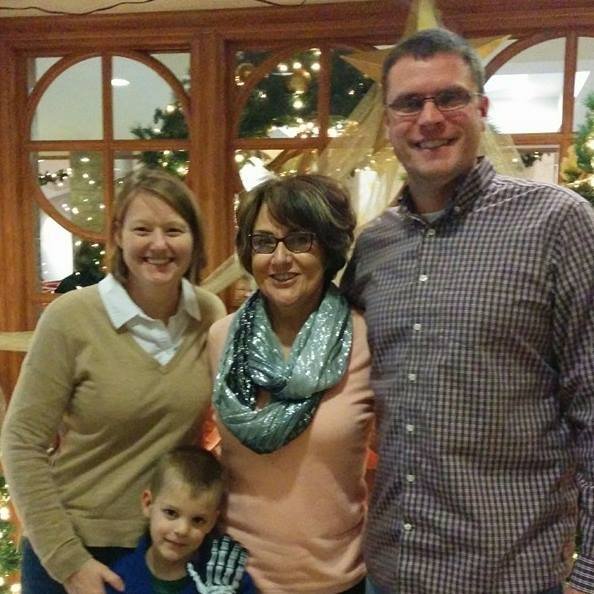
Family at church
Deborah’s birthday.

So, my husband and I began to attend her medical appointments with her, taking notes, emailing them to family members, and helping her navigate the barrage of information that came her way at every appointment. If anyone has experienced chemotherapy, you know that “chemo brain” is a real thing. Things get foggy. Now, add to that the constant information that comes at you rapid-fire. It was overwhelming – for all of us. 

We grew closer, and we knew that we would, along with a group of others from the church, be part of the team to help her as the cancer began to take over. We brought food. We checked in. We all texted each other – talking about Deborah and how she was doing. We were the day-to-day people in her life. But her financial situation wasn’t the best, and since she wasn’t able to work, her savings was being depleted quickly. 

When we knew the end was near – the chemo was more than Deborah could take – we had to have some seriously heart-wrenching conversations. I remember the day I took Deborah to the hospital. She hadn’t been able to eat in a few days, was dehydrated, and just needed attention. Then, we saw a social worker who began to discuss palliative care, and I knew we were talking about the end now. 

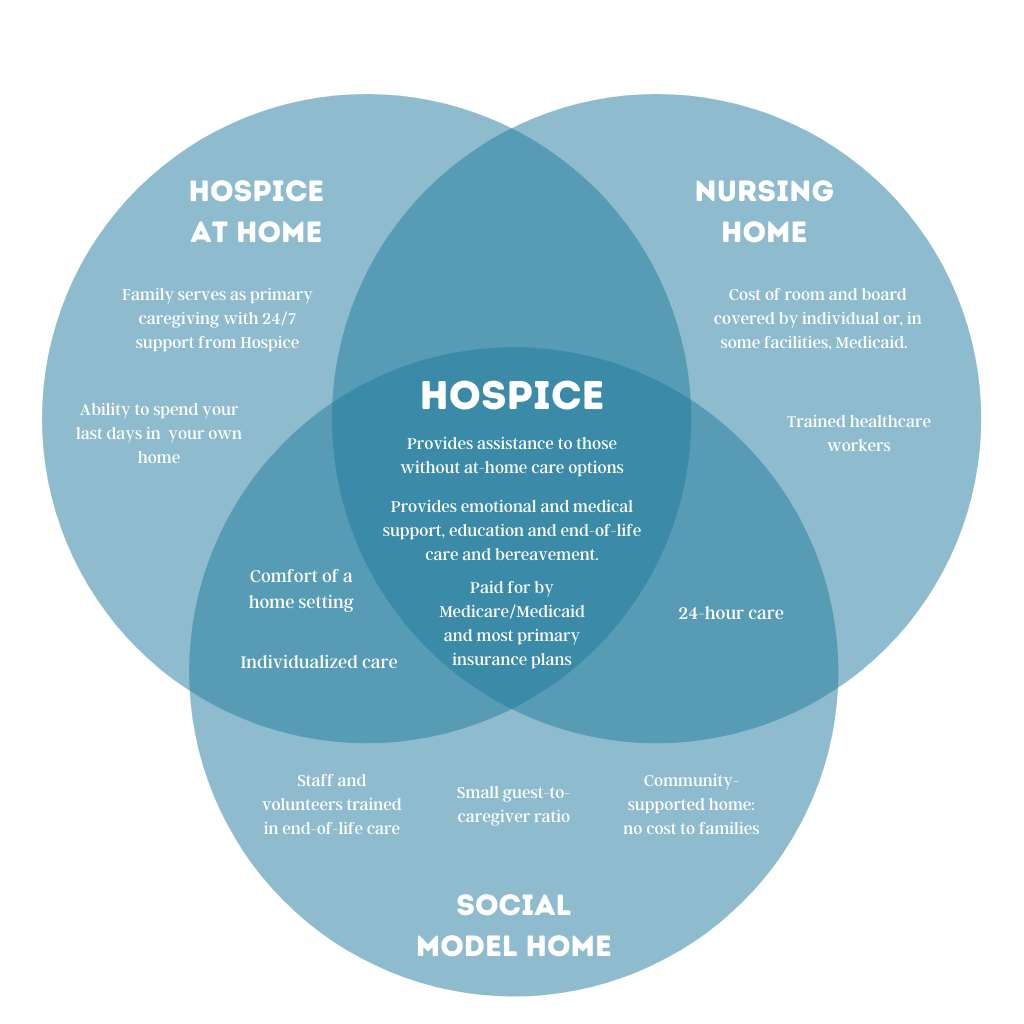
I learned about hospice. I learned what hospice could do – provide nurses to come to the house to check on Deborah, help with end-of-life planning, focus on the grief of the family and friends. But what it couldn’t do? It couldn’t be there 24/7. Hospice couldn’t help Deborah when she got sick in the middle of the night. Or when she needed to use the bathroom. Or make sure she had watermelon on hand – the only thing Deborah wanted while sick from chemo. 

My husband and I worked full-time. We had two small children. How would we be able to make sure Deborah was cared for? We didn’t know exactly how much longer she would be with us, but we wanted her to be cared for and to be comfortable in her final days. We also didn’t know where to begin with a nursing home or if there were any that she could afford, given her financial situation. 

In the end, Deborah was able to spend her last days at home, surrounded by family members. We got to meet them in person – rather than over the phone and by email – and they were able to see just how deeply her church family cared for her.  

After Deborah’s passing, a friend at church introduced Dave and I to Doreen and Jackie, two palliative care nurses with a vision. These two women are warriors, wanting to help people like Deborah. By creating Caring Hearts and Hands, they have created a way to help people who need care as they reach the end of their lives. 

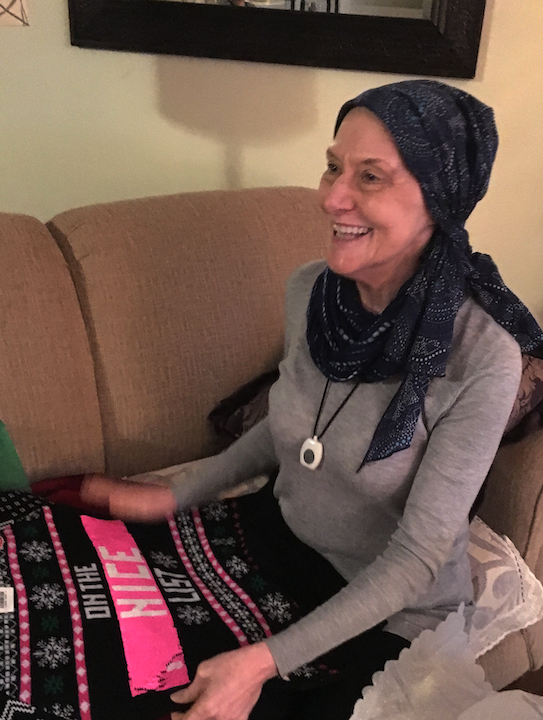
Christmas gift giving
Our last Christmas together.

If it hadn’t been for Deborah, we never would have understood this need in our community. I’m not even sure I’d know what the word “palliative” means. But, Deborah led us here. We are passionate about the need for end-of-life care, especially for those who cannot afford nursing home care, those who want to spend their last days in a home setting, and those who don’t have family who can care for them in their last days. 

Caring Hearts and Hands of Columbia will provide a service greatly needed in our community. It will provide care in a respectful and caring way as people come to the end of their lives. Please help make a home for Caring Hearts and Hands a reality in the mid-Missouri area.

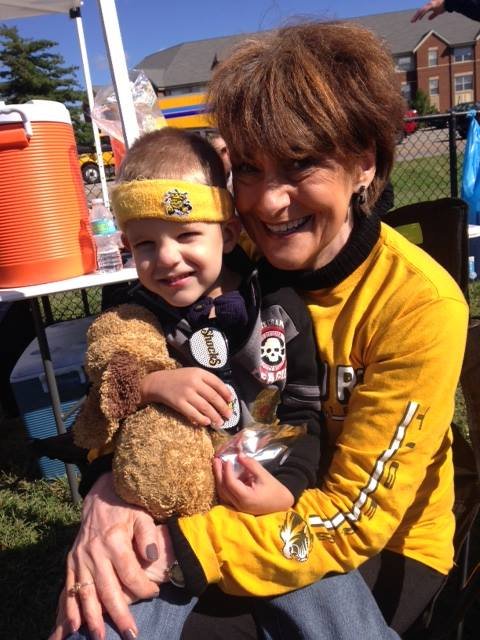
Deborah loved our kids almost as much as my son loves his stuffed puppy.

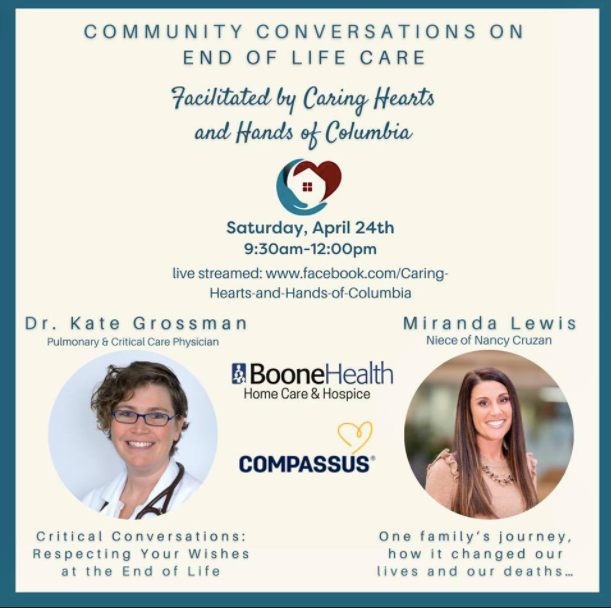
Community Conversation: End-of-life care

Saturday, April 24
9:30 a.m. – Noon
Livestreamed at https://www.facebook.com/Caring-Hearts-and-Hands-of-Columbia-104862761099720

Caring Hearts and Hands of Columbia will facilitate a conversation with experts.

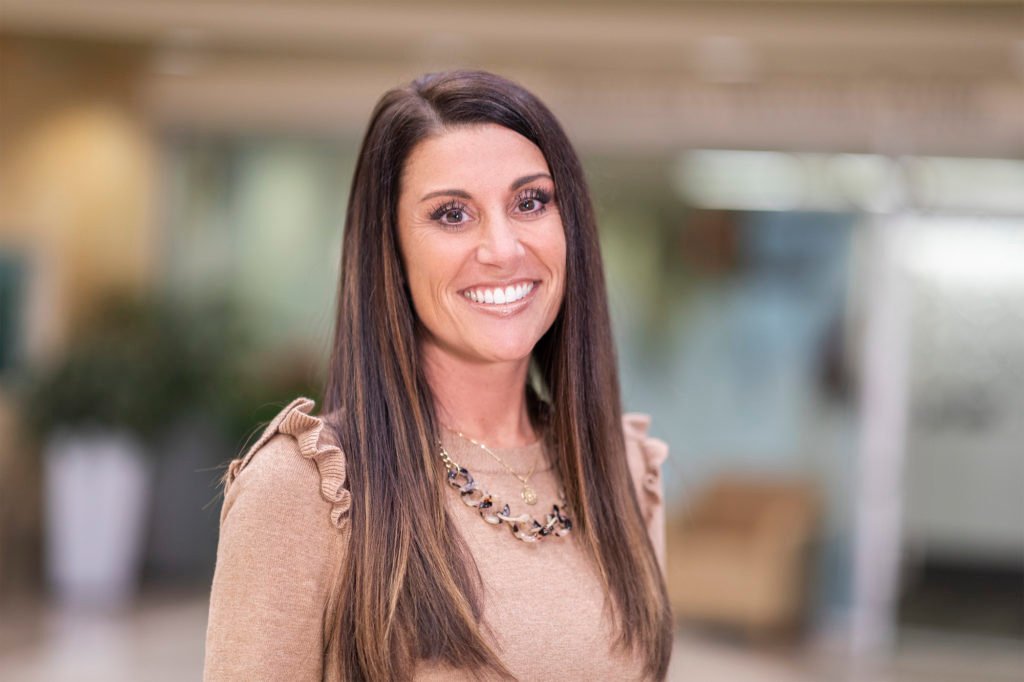
Miranda Lewis Image

Miranda Lewis, the niece of Nancy Cruzan, speaks from family experience about dying with dignity. Lewis’ family was in the midst of a public court case in the late 1980s that led to a right-to-die case that transfixed the nation. The case would end up going to the Supreme Court and result in a 5-4 decision that led Cruzan’s feeding tube to be removed after eight years in a vegetative state.

Dr. Kate Grossman, a pulmonary and critical care physician at Boone Health, will speak about the need to respect the wishes at the end of life. Grossman has been involved in the end-of-life decisions of those who are making critical decisions. Grossman will provide a helpful perspective on the importance of respecting the wishes of those who near the end of their lives.

Saturday, April 24
9:30 a.m. - Noon
Livestreamed at https://www.facebook.com/Caring-Hearts-and-Hands-of-Columbia-104862761099720
Caring Hearts and Hands of Columbia will facilitate a conversation with experts. 
Miranda Lewis, the niece of Nancy Cruzan, speaks from family experience about dying with dignity. Lewis' family was in the midst of a public court case in the late 1980s that led to a right-to-die case that transfixed the nation. The case would end up going to the Supreme Court and result in a 5-4 decision that led Cruzan's feeding tube to be removed after eight years in a vegetative state.
Dr. Kate Grossman, a pulmonary and critical care physician at Boone Health, will speak about the need to respect the wishes at the end of life. Grossman has been involved in the end-of-life decisions of those who are making critical decisions. Grossman will provide a helpful perspective on the importance of respecting the wishes of those who near the end of their lives.

A giant leap forward

Caring Hearts and Hands is another step closer to opening a home for those in need of end-of-life care. The employees of Veterans United Home Loans, through their charitable non-profit Veterans United Foundation, have contributed $10,000 toward our goal.

“This donation will most certainly get us closer to opening our doors,” said Jackie Reed, Cofounder of Caring Hearts and Hands of Columbia. “I can’t wait to serve the people in Columbia who will be in need of our services.”

Caring Hearts and Hands was founded as a 501c3 nonprofit by Jackie Reed and Doreen Rardin, who worked together as palliative care nurses. They worked with people as they were at the end of their lives, and knew there were some who had no family or friends to care for them. And many were unable to pay for nursing care. They needed a safe and comforting place to spend their last days, without financial worries.

This gift is exciting for every board member and volunteer who has worked toward this goal, including Patrick Lee, board chair, who knows this gift puts them that much closer to their ultimate goal.

“When we open our first home in Columbia, we will be able to provide a place where the physical, emotional and spiritual needs of our guests and their families are met with compassion, love and respect,” said Lee.

Caring Hearts and Hands of Columbia is accepting donations toward its goal to open a home to care for those at the end of their lives. Any contribution is greatly appreciated.